Choosing between braces and Invisalign is one of the biggest decisions you’ll make on the path to a healthier, more confident smile. Both treatments can shift your teeth into place, but they work differently and suit different lifestyles. When weighing braces vs. Invisalign, you’ll want clear answers about how each option works, what it costs, and which fits your goals, schedule, and comfort level.
This guide breaks down what you need to know about both treatments: how they work, what they cost, and who benefits most from each option. You’ll find practical details, side-by-side comparisons, and answers to the questions families ask most often before choosing a treatment path.
What Are Braces and Invisalign?
Braces and Invisalign are FDA-cleared orthodontic treatments that gradually shift teeth into proper alignment. Braces use bonded brackets and an archwire to apply continuous pressure. Invisalign uses a series of clear, removable trays. Both correct crowding, spacing, and bite issues when guided by a board-certified orthodontist.
Metal Braces
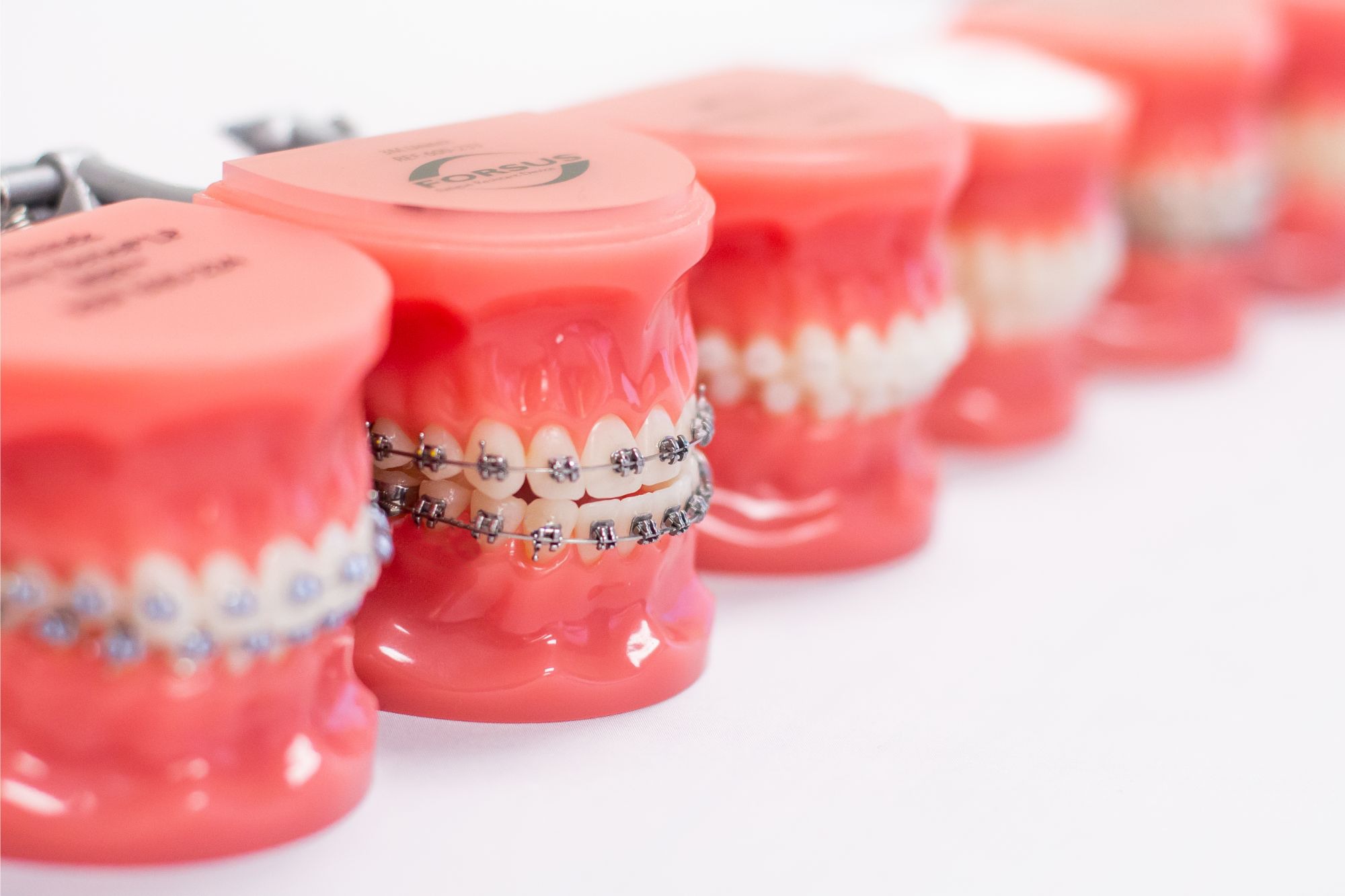
Metal braces use small metal or ceramic brackets bonded directly to your teeth. A thin archwire connects the brackets and applies gentle, continuous pressure to move teeth over time. Metal braces are the most recognizable option, while clear braces use tooth-colored ceramic brackets that blend in with your smile.
Invisalign
Invisalign works in a completely different way. Instead of brackets and wires, you wear a series of clear, removable aligners made from smooth thermoplastic material. Each set of aligners is custom-made for your teeth and designed to make small, precise movements.
Both options can address similar orthodontic concerns. The right choice depends on your specific case, your lifestyle, and what matters most to you and your family during treatment. Many practices offer both options so you can choose what fits best.
How Do Braces and Invisalign Work?
Understanding the mechanics behind each treatment helps you see why one might work better for your situation. A board-certified orthodontist maps out each case based on your bite, your goals, and how your teeth need to move.
How Does the Braces Process Work?
Treatment starts with digital scans, X-rays, and photographs. Your board-certified orthodontist uses this information to build a custom treatment plan. At the bonding appointment, brackets are attached to your teeth with a special adhesive, and an archwire is threaded through them.
Every 4-8 weeks, you’ll come in for adjustments. During these visits, the wire is tightened or replaced to keep guiding your teeth. The brackets stay on throughout treatment and aren’t removed at home.
Braces work around the clock. There’s no compliance required beyond keeping your scheduled appointments and taking care of your teeth.
How Does the Invisalign Process Work?
Invisalign also begins with digital scans and imaging. These scans create a 3D model of your teeth, which is used to map out the entire treatment from start to finish. You’ll even see a preview of your expected results before you begin.
Each patient receives a series of custom aligners, each slightly different from the last. Wear each set for 1-2 weeks, then switch to the next one in the series. Aligners need to be worn 20-22 hours per day to work effectively. Take them out only for eating, drinking anything besides water, and brushing.
Office visits happen less often, typically every 6-10 weeks, since your treatment progression is pre-planned into the aligners.
What Happens After Active Treatment?
Both braces and Invisalign require retainers after active treatment ends. Retainers keep your teeth from shifting back to their original positions. Most people wear retainers full-time at first, then transition to nighttime wear.
Key Benefits of Braces vs. Invisalign
Each treatment has its own advantages. Your priorities will help determine which benefits matter most.
What Are the Benefits of Braces?
- Handle complex cases: Braces excel at correcting severe crowding, significant bite issues, and teeth that need substantial rotation or vertical movement.
- Set it and forget it: Once braces are on, they work continuously, so there’s nothing to remember or keep track of.
- Time-tested results: Decades of research and refinement make outcomes highly reliable.
- Discreet ceramic option: Clear braces blend with your tooth color for a less noticeable look while still delivering the strength of metal braces.
What Are the Benefits of Invisalign?
- Nearly invisible look: The clear trays are hard to spot, making them popular with adults and image-conscious teens.
- Removable convenience: Take them out for meals, special events, and your normal brushing routine.
- Smooth and gentle: Smooth plastic means no brackets or wires to irritate your cheeks and lips.
- Easy oral hygiene: Brush and floss normally without working around brackets.
What Do Both Treatments Deliver?
When you follow your custom treatment plan, both braces and Invisalign create lasting results. You’ll end up with straighter teeth, a healthier bite, and a smile you’re proud to show off.
Braces vs. Invisalign: Side-by-Side Comparison
| Factor | Braces | Invisalign |
|---|---|---|
| Appearance | Metal or tooth-colored brackets with wires | Clear, removable plastic trays |
| Treatment Time | Typically 12-24 months | Typically 6-18 months |
| Office Visits | Every 4-8 weeks for adjustments | Every 6-10 weeks for check-ins |
| Removability | Fixed in place throughout treatment | Removed for eating and cleaning |
| Diet Restrictions | Avoid sticky, hard, and crunchy foods | No restrictions; remove aligners to eat |
| Oral Hygiene | Brush and floss around brackets | Remove aligners and clean normally |
| Compliance Needed | Minimal; just attend appointments | High; must wear 20-22 hours daily |
| Best For | Complex cases, younger patients, anyone who prefers “set it and forget it” | Mild to moderate cases, adults, teens who will wear trays consistently |
Treatment times vary based on your specific case. According to typical orthodontic timelines, some people finish faster, while others need extra time to reach their goals. Your board-certified orthodontist provides a personalized timeline during your free consultation.
How Much Do Braces and Invisalign Cost?
Orthodontic treatment costs typically depend on case complexity, treatment length, and the type of appliance used. Braces and Invisalign generally fall within similar price ranges for comparable cases. Insurance, HSA/FSA funds, and flexible financing can significantly reduce out-of-pocket costs for you and your family.
What Influences Cost?
Several factors determine your final treatment price:
- Case complexity: More severe alignment issues typically require longer treatment and more resources.
- Treatment length: Extended timelines may increase overall cost.
- Appliance type: Metal braces, clear braces, and Invisalign each have different pricing structures.
- Provider expertise: A board-certified orthodontist brings specialized training that helps protect quality results.
In general, braces and Invisalign tend to fall within similar price ranges for comparable cases.
How Can You Make Treatment Cost-Effective?
Many dental insurance plans include orthodontic coverage for both braces and Invisalign. Check with your provider about your specific benefits.
Most orthodontic offices offer flexible financing that helps families fit treatment into their budgets. HSA and FSA funds can also offset costs.
A good consultation includes a complete cost breakdown with no surprises. You’ll know exactly what to expect before you commit to treatment.
Who Is a Good Candidate for Each?
The best treatment for you depends on your clinical needs, lifestyle, and personal preferences. A board-certified orthodontist will weigh all three before recommending a path forward.
Are You a Good Fit for Braces?
You might be a great fit for braces if:
- Complex needs: Your case involves severe crowding, significant bite problems, or teeth needing major rotation.
- Hands-off preference: You prefer a treatment that works automatically without daily compliance decisions.
- Younger family members: You’re a parent choosing treatment for a younger child or teen who might struggle with aligner responsibility.
- Subtle look: You want the look of clear braces while addressing complex orthodontic needs.
Are You a Good Fit for Invisalign?
You might be a great fit for Invisalign if:
- Mild to moderate cases: Your orthodontic concerns are mild to moderate.
- Strong commitment: You’re a responsible teen or adult who will commit to wearing aligners 20-22 hours daily.
- Appearance matters: Looking natural during treatment matters to you, whether for work, social situations, or personal preference.
- Lifestyle freedom: You want the freedom to eat whatever you like and brush without working around brackets.
How Does the Consultation Make It Clear?
Some cases work well with either option, while others clearly favor one approach. A consultation with a board-certified orthodontist includes a careful look at your teeth, bite, and jaw alignment. You’ll talk through your goals and lifestyle, then receive a recommendation based on what will actually work best for your specific situation.
Frequently Asked Questions
Is Invisalign as effective as braces?
For mild to moderate cases, Invisalign delivers results comparable to braces. Braces remain the stronger choice for complex bite corrections, severe rotations, and cases that need significant vertical tooth movement. Your consultation determines which option will be most effective for your specific needs.
How long does each treatment take?
Braces typically require 12-24 months, while Invisalign often ranges from 6-18 months. Your actual timeline depends on your case complexity and how well you follow your custom treatment plan. Invisalign wearers who don’t keep aligners in consistently may need extra time.
Which is more comfortable: braces or Invisalign?
Invisalign generally causes less irritation than braces because the smooth plastic doesn’t rub against cheeks and lips the way brackets and wires can. Both can cause some soreness as your teeth move, especially after adjustments or when switching to new aligners. Most people find any soreness manageable and short-lived, easing within a day or two.
Can teens use Invisalign successfully?
Many teens do well with Invisalign, especially those who are responsible and motivated. Invisalign Teen includes compliance indicators that show whether aligners are being worn enough. Parents and the orthodontic team can monitor wear time to keep treatment on track.
Will insurance cover orthodontic treatment?
Many dental insurance plans include orthodontic benefits that apply to both braces and Invisalign. Coverage amounts vary by plan. A board-certified orthodontist’s team will walk you through your benefits and help you get the most out of your coverage. Bring your plan details to your free consultation so the team can review them with you.
What happens after treatment ends?
You’ll wear retainers to maintain your results. Most people start with full-time wear, then switch to nights only. Retainers are a lifelong commitment, since teeth will naturally want to shift back without them. Following your retainer instructions protects the investment you and your family have made in your smile.